When it comes to honoring a loved one after they have passed, one of the most fundamental decisions is whether to choose cremation or burial. This choice can be influenced by a variety of factors, including personal beliefs, religious doctrines, cultural customs, and practical considerations.
Understanding the Differences
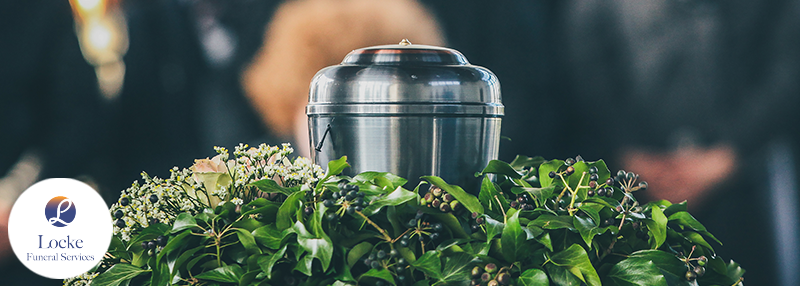
Cremation involves the use of high-temperature burning to reduce the body to ashes. These ashes can then be kept in an urn, scattered in a meaningful place, or buried in a cemetery plot. This process is often seen as more flexible and can be less expensive than burial, offering various options for memorialization.
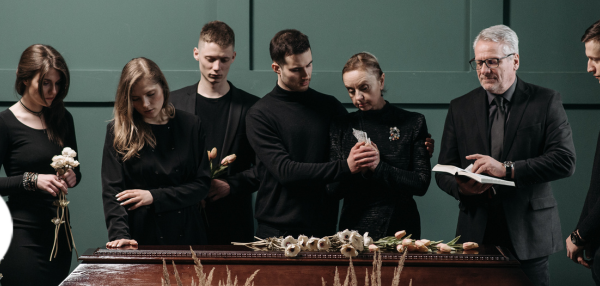
Burial, on the other hand, typically involves embalming the body, placing it in a casket, and interring it in a grave or tomb. This traditional method provides a physical space for remembrance and can carry significant meaning for many, serving as a place to visit and reflect.
Religious and Cultural Considerations
Religious beliefs often play a crucial role in the decision-making process. For instance, Orthodox Judaism and Islam traditionally prohibit cremation, while Hinduism and Buddhism typically prefer it. The Catholic Church allows cremation, but with the stipulation that the ashes must be kept in a sacred place, such as a cemetery, and not scattered or kept at home.
Cultural customs also heavily influence this choice. Some cultures have unique traditions, such as sky burials in Tibet, where bodies are left to naturally decompose and be consumed by vultures as a means of ascending to the spirit world. Nordic countries have traditions of water burials, where bodies are set adrift in boats as a return to nature. In the United States, traditional burial has been the norm, but cremation has become increasingly popular in recent years, reflecting a shift in societal values and norms.
Practical Considerations
When making the decision between cremation and burial, it’s important to consider the following practical aspects:
- Cost: Cremation can be a more cost-effective option, especially if a direct cremation is chosen, which does not involve embalming or a traditional service prior to the cremation.
- Environmental Impact: Some may view cremation as more eco-friendly due to its reduced land use, while others may have concerns about emissions.
- Flexibility: Cremation allows for more flexibility in planning memorial services, as there is no immediate need for burial. This can be particularly beneficial for families spread across long distances.
The choice between cremation and burial is deeply personal and should be made after careful consideration of all factors. At Locke Funeral Services, we respect the diversity of beliefs and practices and are here to support you in making the choice that feels right for you and your family. We offer both cremation and burial services and can accommodate a range of personal preferences and religious requirements. Our compassionate staff is dedicated to providing guidance and support through every step of the process, ensuring that your loved one is honored in a way that aligns with your values and their wishes.
Whether you choose cremation or burial, the most important aspect is that the method of remembrance and honor resonates with the deceased’s life and the family’s wishes. Locke Funeral Services is committed to helping you navigate these choices and create a meaningful tribute to your loved one’s legacy.