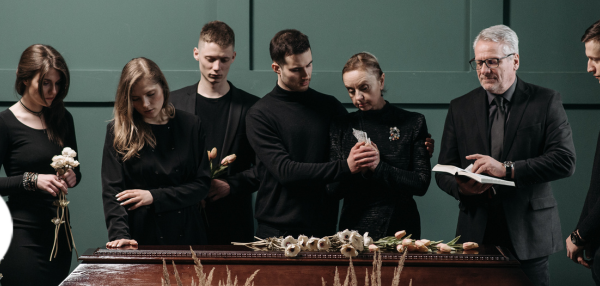
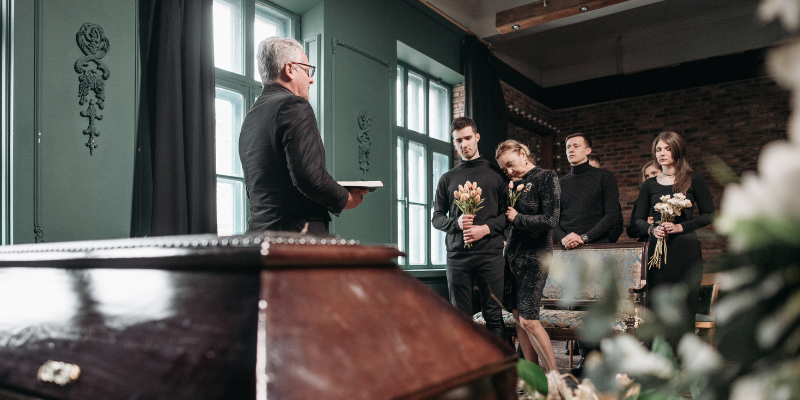
Choosing who will conduct a funeral service can be a difficult decision. The person who leads the service plays a crucial role in guiding mourners through the grieving process and ensuring that the ceremony is a meaningful tribute to the deceased. However, not just anyone can perform this important task. Join us as we take a closer look at who can conduct a funeral service and provide insight into how you should go about making your decision.
Spiritual Leaders
- Religious or spiritual leaders are often the first choice for families planning a funeral service, particularly if the deceased person was a member of a particular faith community. Faith leaders, such as priests, ministers, rabbis, imams, or others, are trained and ordained to perform religious ceremonies, including funerals. They can provide comfort and guidance to those in mourning, and their training and experience can ensure that the funeral service is conducted according to the customs and traditions of the deceased’s faith.
- The religious leader you decide on in the planning process would typically be someone who has a personal or congregational relationship with the deceased and their family, which can make the service more personal and meaningful. It’s important to note that not all religious leaders may be available or willing to conduct a funeral service for non-members of their faith community, or for those who did not practice a particular faith. It’s also important to consider the beliefs of the deceased, their wishes for who will speak, and their family’s interests when selecting a religious leader to conduct the funeral service.
Civil Celebrant
- For those who prefer a non-religious or secular funeral service, a civil celebrant may be a suitable option. A civil celebrant is a trained professional who specializes in leading non-religious or secular ceremonies, including funerals. Civil celebrants work closely with the family of the deceased to create a personalized and meaningful service that reflects their beliefs, values, and wishes. They can provide guidance and support to those who may not have a particular religious affiliation but still want to commemorate the life of their loved one in a significant and meaningful way.
- Civil celebrants can also offer flexibility and creativity in designing the service, incorporating music, poetry, and other elements that reflect the personality and interests of the deceased. It’s important to note that while civil celebrants may not be able to provide the same level of religious guidance and support as a religious leader, they can still provide a comforting and dignified farewell for the deceased.
Friend or Family Member
- It’s not uncommon for friends or family members to conduct a funeral service for their loved one, particularly if they have a close relationship with the deceased and feel comfortable speaking in front of a group. While this option may not offer the same level of training or experience as a religious leader or civil celebrant, it can provide a more personal and intimate touch to the service. Friends and family members can share stories and memories of the deceased, offer comfort and support to those in mourning, and provide a unique perspective on the life of the deceased.
- It’s important to note, however, that conducting a funeral service can be emotionally and mentally taxing, and not everyone may feel comfortable or capable of taking on this role. Additionally, it’s important to consider the wishes of the deceased and their family when selecting a friend or family member to conduct the service, and to ensure that they have the necessary support and resources to carry out the service in a respectful and meaningful way.
If you need any funeral services, please contact Locke Funeral Services by calling 319-233-6138. Our staff is ready to assist you with any of your needs.